By Simon Danneskiold-Samsøe and Thomas Møller Christensen, AAU Communications and Public Affairs
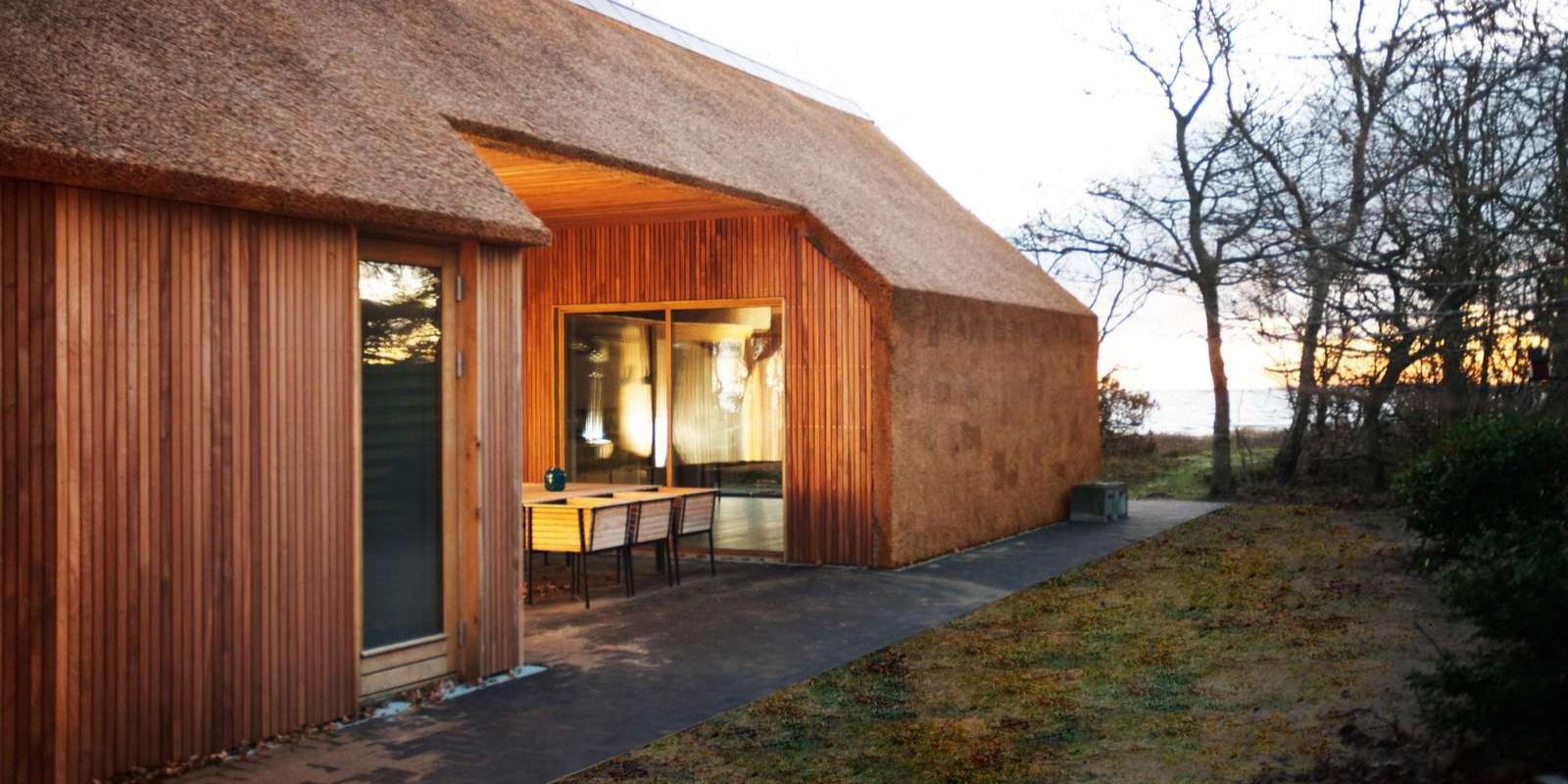
Photo: Jens Hasse/Chili
Construction in Denmark remains dominated by materials such as concrete, steel, and glass, all of which demand large amounts of energy to produce and emit substantial CO2 during manufacturing.
However, researchers from BUILD – Department of the Built Environment at Aalborg University (AAU) suggest there is another way. Their study reveals that by using bio-based building materials such as straw, grass, flax, and wood, the industry can not only replace conventional materials but even achieve negative emissions, meaning that buildings could capture more CO2 than they emit.
"The potential is simply enormous. We have now shown that it’s indeed possible to replace traditional building materials with locally produced, sustainable alternatives like straw and grass,” says Torben Valdbjørn Rasmussen, Senior Researcher at BUILD and co-author of the study.