Nyhed
New project to make it easier to assess the impact of buildings on offsite biodiversity
Lagt online: 25.06.2025
Nyhed
New project to make it easier to assess the impact of buildings on offsite biodiversity
Lagt online: 25.06.2025
New project to make it easier to assess the impact of buildings on offsite biodiversity
Nyhed
Lagt online: 25.06.2025
Nyhed
Lagt online: 25.06.2025
By David Graff, AAU Communication and Public Affairs
Translated by LeeAnn Iovanni, AAU Communication and Public Affairs
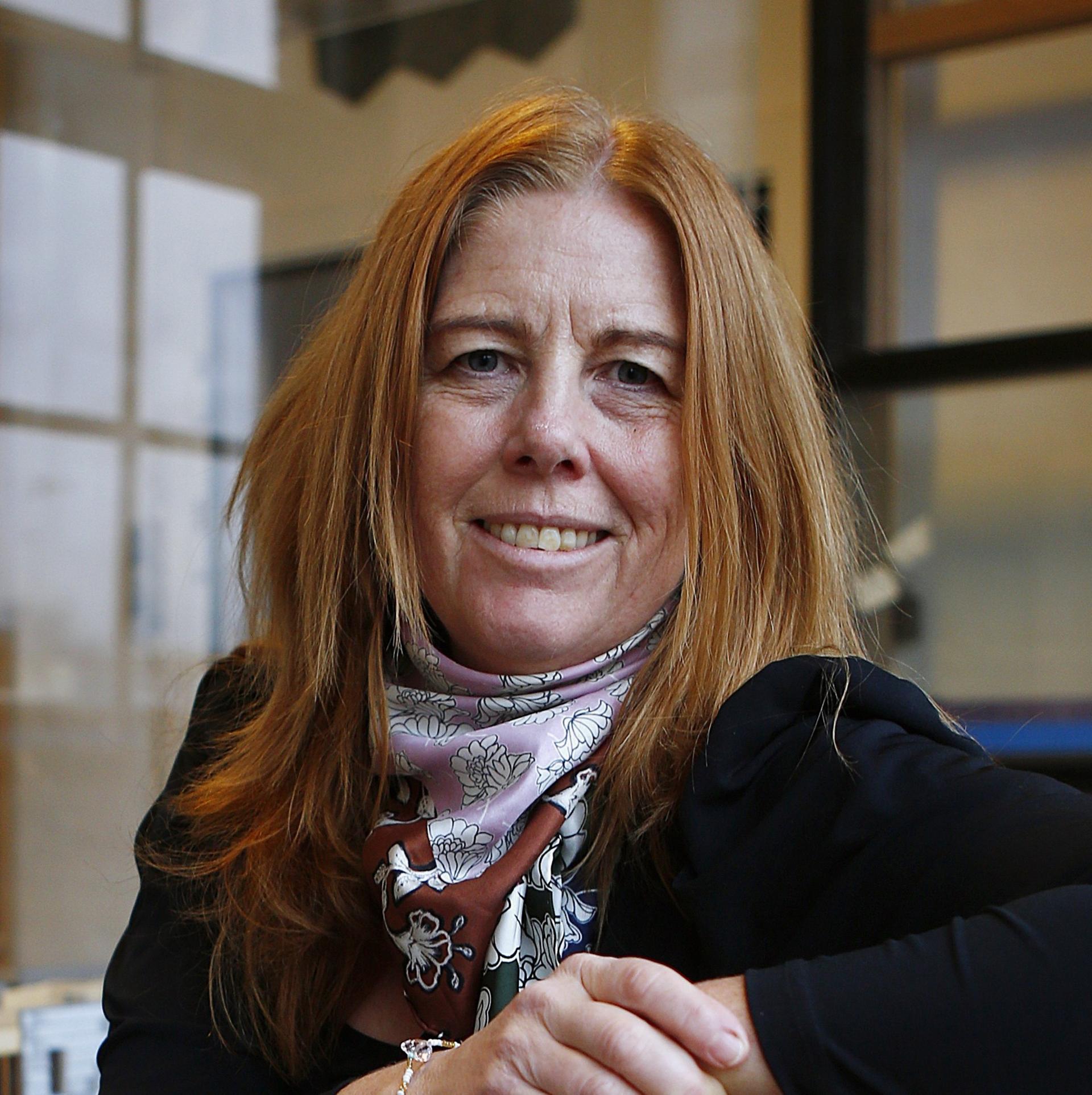
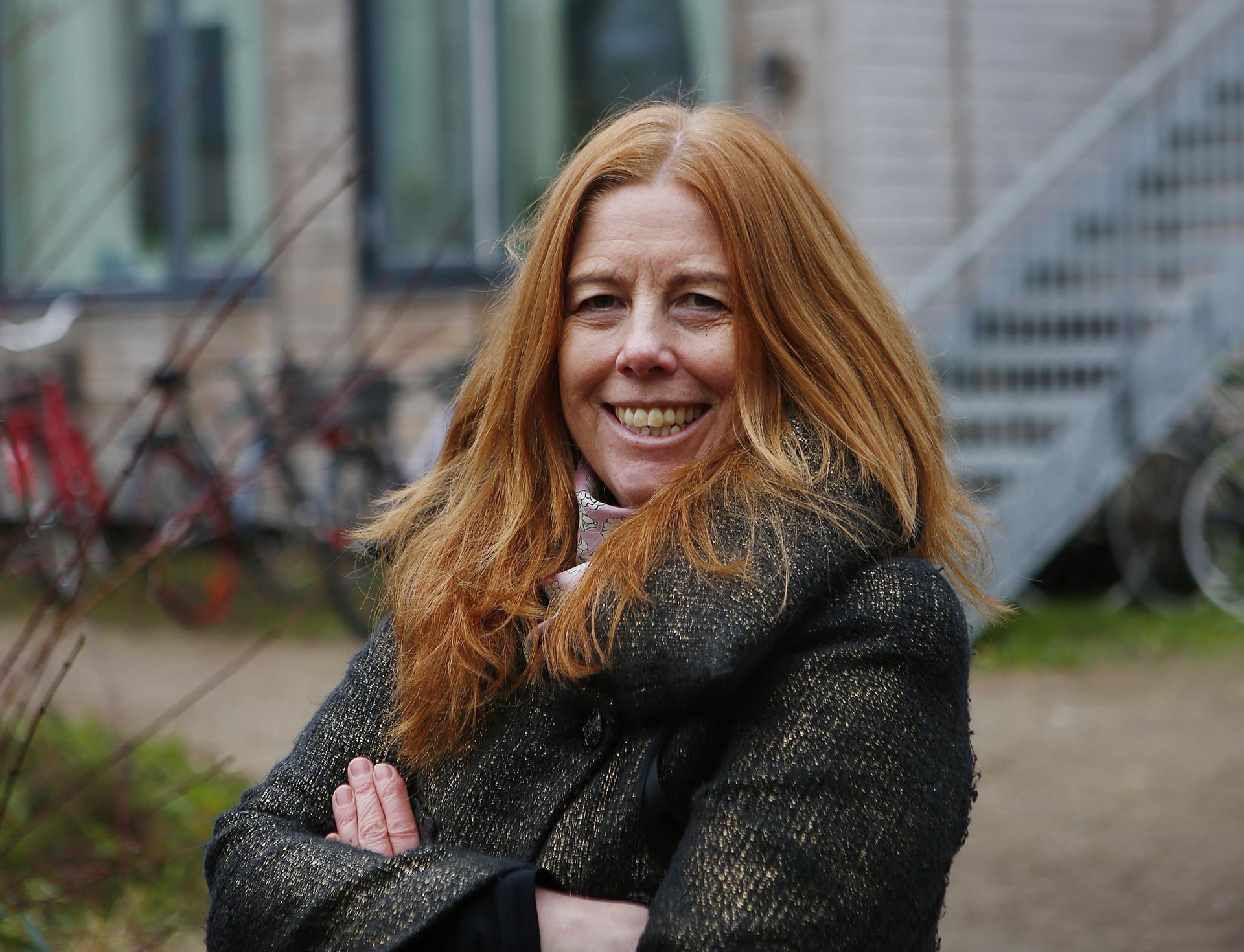
Photo: Jens Hasse, Chili Foto
As the seriousness of the biodiversity crisis becomes increasingly clear, demand is growing for analyses of the various aspects of the crisis.
This also applies to the offsite biodiversity impact of construction and buildings, i.e. the impact of the production of building materials for a building, the energy consumption in it and the construction process itself in addition to the land on which the building is located.
"Unfortunately, the assessment of offsite biodiversity impacts is challenged by, among other factors, a lack of research-based knowledge about which methods are best suited for the assessment," says Professor Harpa Birgisdottir, Project Manager for the new project entitled 'Offsite biodiversity in LCAs of buildings' that BUILD is now embarking on in collaboration with COWI.
She believes that there is also a need to make data on both materials and energy consumption in construction more accessible, and knowledge must be generated about how materials and energy consumption affect biodiversity.
"All that is needed to be able to develop practical solutions for the industry. And even though there is a lot to look at, fortunately, none of these challenges is insurmountable," says Harpa Birgisdottir.
Ultimately, the intention is to achieve a practice-oriented integration of data and knowledge in the Life Cycle Assessment or LCA tools for buildings that Harpa Birgisdottir herself is the creator of.
Since 2023, LCA has been a central part of the building regulations for assessing the climate and environmental impacts of buildings.
"LCA methods are designed to provide a holistic assessment of climate and environmental impacts throughout the life cycle of a product or process. Offsite biodiversity impact could be a natural part of the assessment, and with this project we will try to include this very important aspect so that going forward industry actors can obtain even better analyses of the buildings and the complex impact of construction," she explains
Specifically, this goal will be achieved in the project through four activities focusing on:
Biodiversity is also a strategic focus point for both the COWI Foundation and the COWI business.
"As a consultant and as an industry in general, it will strengthen our project work if we can carry out more holistic analyses, including using assessments of offsite biodiversity in already existing LCA calculations. From COWI's side, we look forward to contributing to the project with expert knowledge as well as concrete construction cases for testing newly developed methods," says Thomas Fænø Mondrup, Sustainability Director, COWI Buildings & Industry.
FACTS ABOUT THE PROJECT
The aim of the project 'Offsite biodiversity in LCAs of buildings' is to further develop the Life Cycle Assessment or LCA methods so that they can include offsite biodiversity impacts from construction and buildings.
The project has received DKK 1,948,370 in support from the COWI Foundation and runs from July 2025 to November 2026.
The project is led by BUILD – Department of the Built Environment, Aalborg University. The project partners include COWI, Water and Environment, and Buildings and Industry, Denmark.
An advisory board will be set up with industry representatives and selected actors in the biodiversity area.