Nyhed
New research: We have become worse at cleaning — and it can make us sick
Lagt online: 10.03.2025
Nyhed
New research: We have become worse at cleaning — and it can make us sick
Lagt online: 10.03.2025
New research: Poor indoor climate increases the risk of depression and lung diseases
Nyhed
Lagt online: 10.03.2025
Nyhed
Lagt online: 10.03.2025
By Simon Danneskiold-Samsøe, AAU Communication & Public Affairs
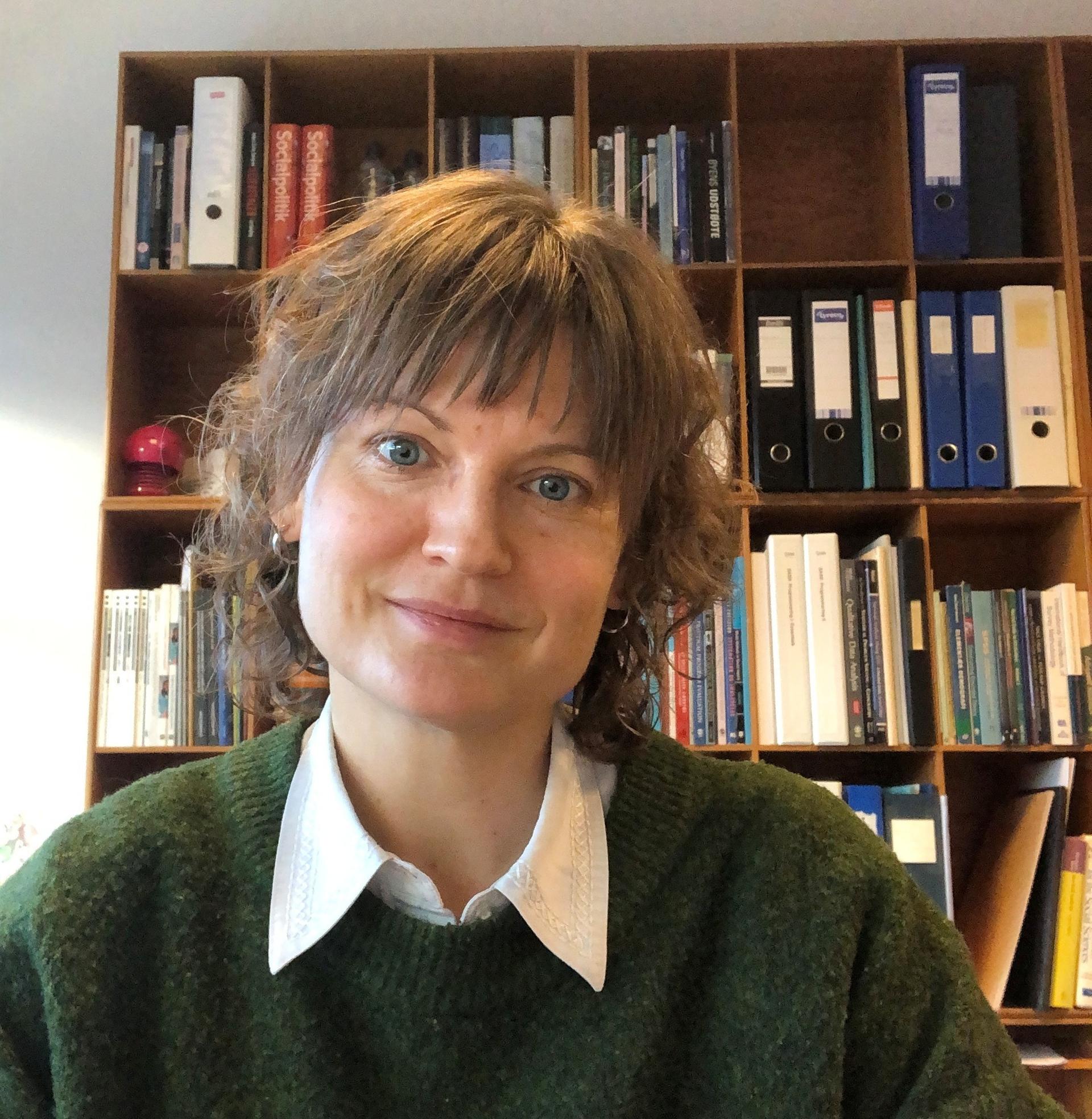
Photo: Rikke Skovgaard Nielsen
We have become worse at airing out, using the cooker hood when cooking, and washing the floor regularly. This leads to a poor indoor climate, which can harm our health. Danes spend up to 90% of their time indoors, where the home’s indoor climate plays a crucial role for health.
A new report from Aalborg University’s institute BUILD and the National Institute of Public Health at the University of Southern Denmark maps the connections between housing environment and health status. The study, supported by the philanthropic association Realdania, shows that although housing conditions have improved over the past 20 years, our behaviour at home has become less favourable for a healthy indoor climate. In short: our homes have become better, but we have become worse at living in them — and that can make us sick.
Online Meeting on 12 March: Health in the Indoor Climate
The report shows that 25% of all Danes experience problems in their homes, and there is an increase in reported problems compared to the year 2000, especially among younger women and low‑income groups. The most common issues relate to poor temperature regulation, neighbour noise, and traffic noise.
“Our study shows that poor indoor climate can lead to serious health consequences such as respiratory infections, COPD, and depression. There may be several causes of poor indoor climate, and some of them we cannot do anything about, such as noise from a nearby road. But we must remember that regular airing out and good cleaning are essential for a healthy indoor climate. At the same time, our research also shows a clear inequality, where low‑income groups more often live in homes with poor indoor climate conditions,” says Rikke Skovgaard Nielsen, senior researcher at BUILD.
The report highlights several health consequences of poor indoor climate:
The report emphasises the need to improve both housing conditions and behaviour to ensure a healthier indoor climate. Young people in particular have habits that can worsen indoor climate conditions, and therefore campaigns should target this group to create better airing‑out and cleaning routines.
There is also a need for further research into how housing conditions affect the health of particularly vulnerable groups such as children, older adults, and people with existing illnesses.
Read the full report at BUILD.
Contact
Rikke Skovgaard Nielsen, Senior researcher, BUILD, Aalborg University– risn@build.aau.dk, tel..: 29100285
Simon Danneskiold-Samsøe, journalist and press advisor, ssd@adm.aau.dk, tel.: 31157533