Big pluses - and some minuses
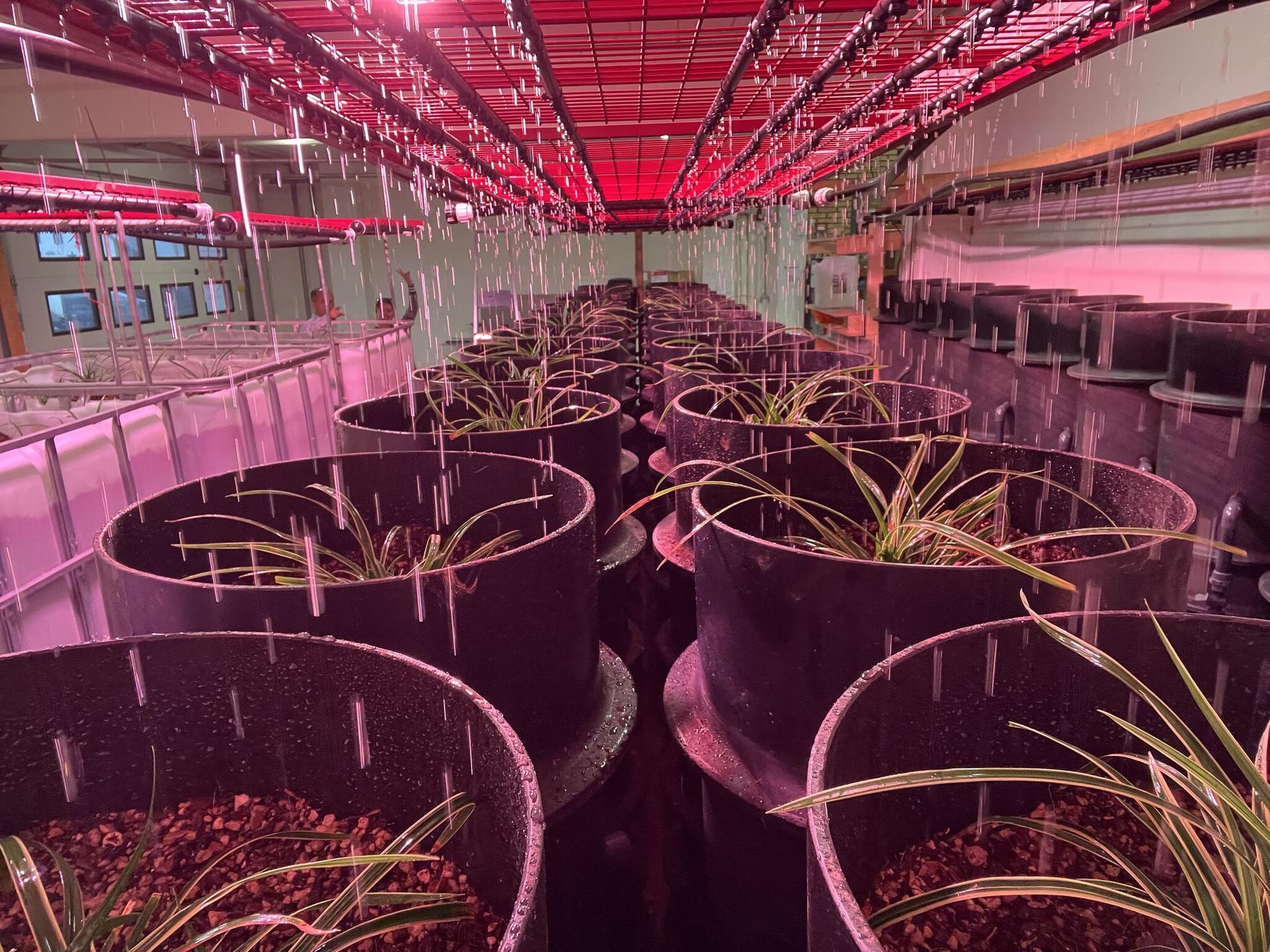
The results from the experiments discussed in the research articles are convincing. For example, in experiments with pilot-scale bioretention plants and column experiments, the materials removed more than 90% of the phosphorus under the conditions studied.
This represents improvements of up to 33.3% compared to the control systems.
Similar results were achieved in the experiments with crushed concrete, but there were also challenges that require further research, explains Jes Vollertsen, Professor, BUILD and the principal supervisor on Irina Pitropova's PhD project:
"Although crushed concrete has great potential as a long-lasting, sustainable and cost-effective filter media for removing phosphorus, copper and zinc, the experiments also showed an elevated pH value in the runoff water as well as significant leaching of chromium, among other things. Therefore, further research is needed that examines optimized material sourcing, targeted pre-treatment and possible applications," he explains.